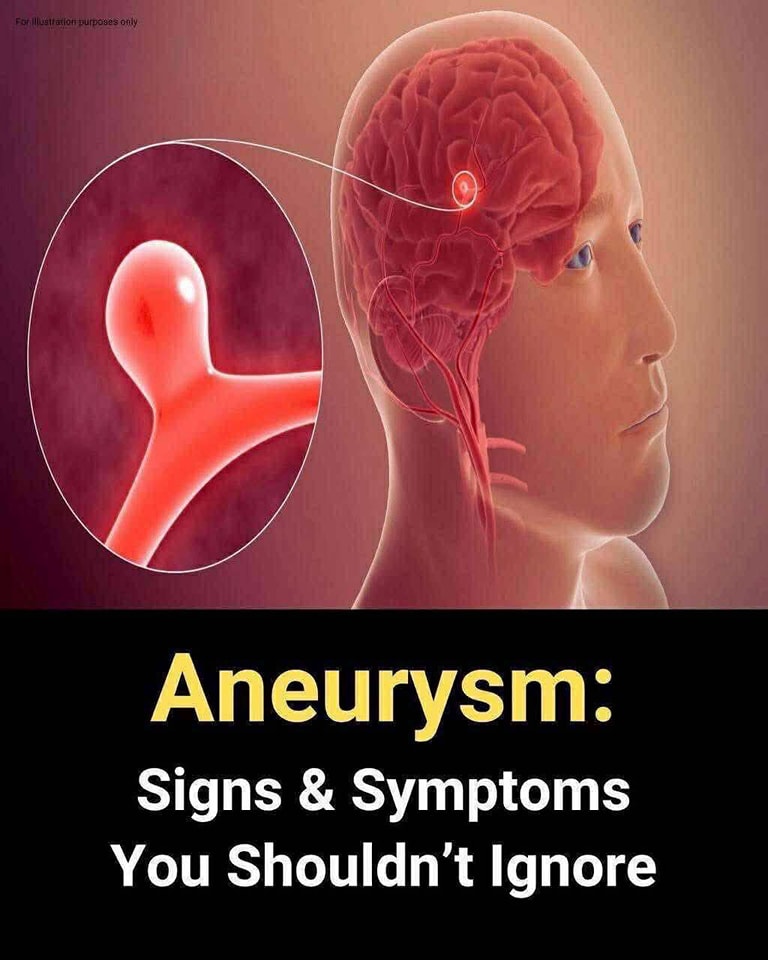
A brain aneurysm is a silent but potentially deadly condition that can strike without warning. It occurs when a blood vessel in the brain develops a weak spot and balloons out, creating pressure or, in severe cases, rupturing and leading to internal bleeding. The danger lies in the fact that most aneurysms do not present clear symptoms until it is too late. However, medical experts emphasize that there are early warning signs you should never ignore. Recognizing them could save your life or the life of someone you love. Here are 12 signs that may signal a brain aneurysm.
1. Sudden, Severe Headache
Often described as the “worst headache of my life,” this is one of the most common signs of a ruptured aneurysm. If you experience an explosive headache that comes on without warning, seek medical attention immediately.
2. Nausea and Vomiting
These symptoms often accompany a sudden headache and may indicate increased pressure in the skull due to bleeding or swelling caused by an aneurysm.
3. Blurred or Double Vision
A brain aneurysm pressing on the optic nerve can cause vision changes. If your vision suddenly becomes blurry or you see double, it’s time to get checked out.
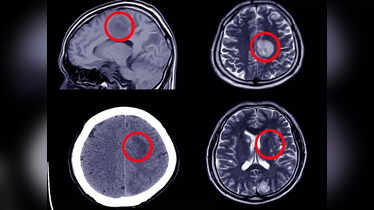
4. Stiff Neck
A stiff or painful neck — especially when combined with other neurological symptoms — could point to bleeding in the brain or irritation of the meninges (the membranes covering the brain and spinal cord).
5. Sensitivity to Light (Photophobia)
People experiencing a brain aneurysm may become unusually sensitive to light, which is often another sign of irritation in the brain.
6. Seizures
A sudden seizure in someone with no history of epilepsy can be a red flag for a serious brain issue, including a ruptured aneurysm or brain hemorrhage.
7. Drooping Eyelid or Facial Weakness
If you notice one eyelid starting to droop or if part of your face feels numb or paralyzed, a brain aneurysm may be pressing on nerves in the brain.
8. Loss of Consciousness
Fainting or a sudden loss of consciousness is an extremely serious symptom and can be associated with a ruptured aneurysm causing significant brain damage.
9. Trouble Speaking or Understanding Speech

