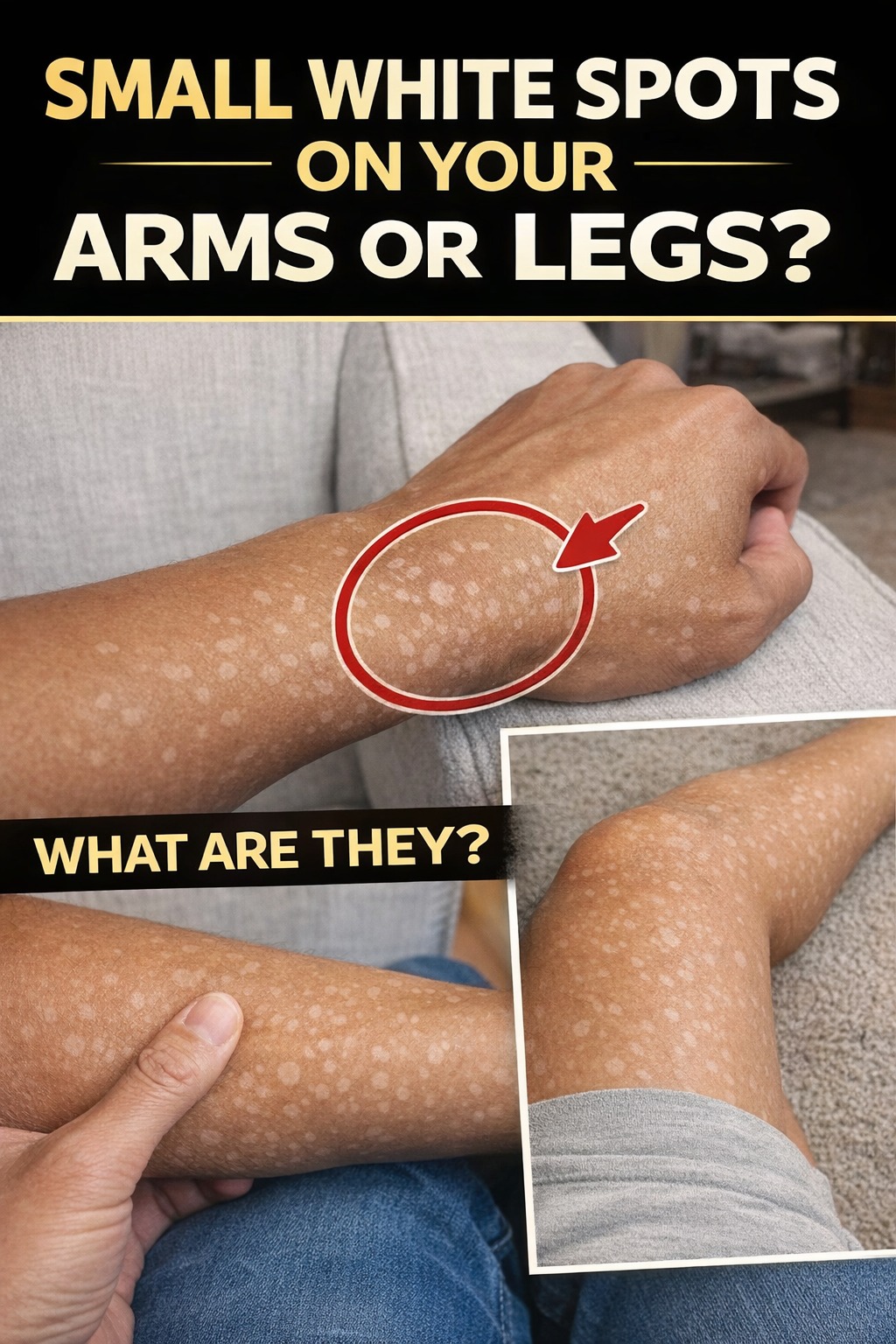
Have you ever glanced down at your arms or legs and noticed those small, flat white spots scattered across your skin? You’re not alone—many people spot these little marks as they get older, especially after years of enjoying the sun, and they can leave you feeling self-conscious or worried about what they might signal. These spots often appear gradually, without any itching, pain, or other symptoms, but their presence can make you question if something’s changing with your skin’s natural tone. The good news is that in most cases, they’re completely harmless, and understanding them can bring real peace of mind—keep reading to learn more about what experts say, including some simple daily habits that support overall skin wellness.
What Are These Small White Spots on the Skin?
These tiny white spots are commonly known as idiopathic guttate hypomelanosis, or IGH for short. Research shows this is one of the most frequent benign skin changes seen in adults, particularly those over 40. Studies indicate that IGH involves a localized reduction in melanin—the pigment that gives skin its color—leading to these pale, round or oval marks, usually 2-5 mm in size.
But that’s not the full picture…
Why Do These Spots Appear? Common Triggers and Risk Factors
Experts point to several factors that may play a role in the development of these spots, though the exact process isn’t fully understood. Prolonged exposure to ultraviolet (UV) rays from the sun over many years is frequently linked to this change, as UV light can affect the cells responsible for producing pigment. Genetics also seem to contribute, with some families noticing similar patterns across generations. Fairer skin tones tend to show these spots more readily, while on darker skin, they can stand out even more noticeably.
Here’s what research highlights as key contributors:
Cumulative sun exposure over time
Natural aging processes
Possible genetic predisposition
Occasional minor skin trauma in some cases
The truth is, these spots often serve as a gentle reminder of how much sun our skin has seen throughout life—nothing alarming, just a common sign of accumulated environmental influence.
How to Recognize Idiopathic Guttate Hypomelanosis
IGH typically shows up as smooth, flat spots without any raised edges or texture changes. They most often appear on sun-exposed areas like:
Forearms
Shins and lower legs
Upper arms
Sometimes the upper back or chest
Unlike other skin concerns, these spots don’t itch, hurt, or spread rapidly. They develop slowly and stay stable in size once formed. If you’ve noticed them increasing over the years, especially after summers spent outdoors, that’s a classic pattern many people experience.
Simple Habits to Support Healthier-Looking Skin Every Day
While these spots are benign and don’t require intervention for health reasons, many people want to take proactive steps for their skin’s overall appearance and protection. Here are some practical, everyday tips dermatology sources often recommend:

