Apply broad-spectrum sunscreen daily — Choose SPF 30 or higher and reapply every two hours when outdoors to help shield skin from further UV impact.
Wear protective clothing — Long sleeves, pants, or UPF-rated fabrics can reduce direct sun exposure on arms and legs.
Seek shade during peak hours — Between 10 a.m. and 4 p.m., find cover when possible to limit cumulative exposure.
Moisturize regularly — Keeping skin hydrated supports its natural barrier and overall comfort.
Incorporate antioxidant-rich foods — Eating plenty of fruits and vegetables (like berries, leafy greens, and citrus) provides nutrients that support skin health from the inside.
But wait—there’s one more key habit that ties everything together…
The Surprising Role of Sun Protection in Long-Term Skin Wellness
Consistent sun protection isn’t just about preventing new spots—it’s one of the most effective ways to maintain even skin tone and support your skin’s resilience as you age. Studies emphasize that reducing ongoing UV exposure can make a meaningful difference in how skin looks and feels over time. Think of it as an investment in your skin’s future: simple routines today can help preserve a more uniform appearance tomorrow.
When Should You Talk to a Professional?
If the spots change suddenly, grow larger quickly, or come with other symptoms like itching or scaling, it’s always smart to have a dermatologist take a look. Most of the time, though, these white specks are straightforward and nothing to worry about.
Frequently Asked Questions
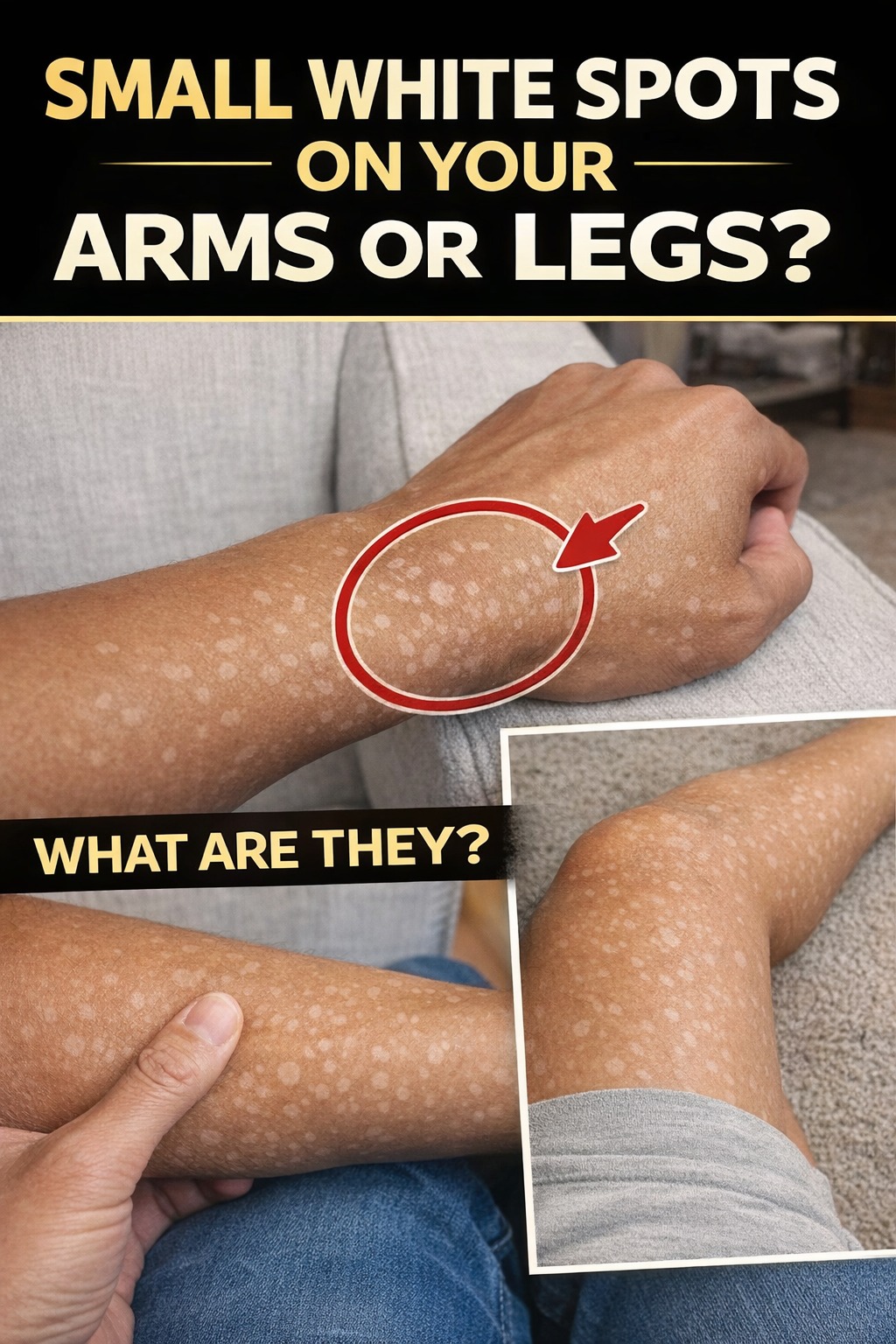
Are small white spots on arms and legs dangerous? No, in the vast majority of cases, these spots (often IGH) are harmless and not linked to serious conditions. They’re a common, benign skin variation.
Can these white spots go away on their own? Typically, once they appear, they remain stable and don’t fade naturally. Sun protection helps prevent more from forming.
Do darker skin tones get these spots too? Yes, though they may be more visible as contrasts stand out. The underlying process is similar across skin types.
This article is for informational purposes only and is not a substitute for professional medical advice. Please consult a qualified healthcare provider for personalized guidance about your skin concerns.

