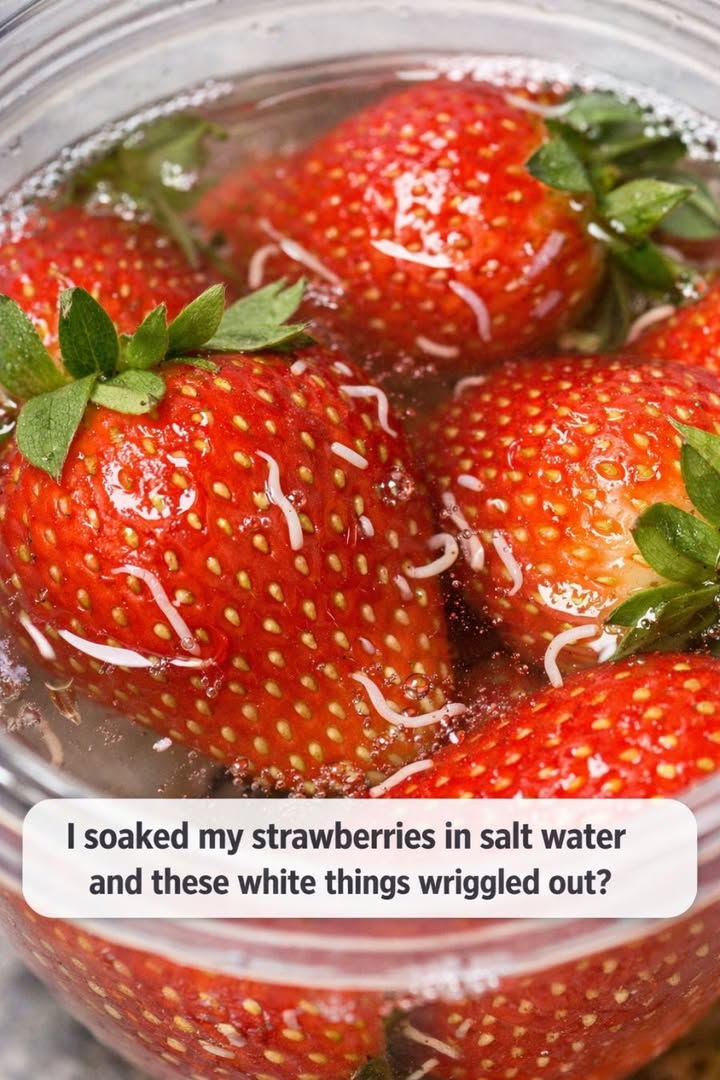
For those who prefer to avoid the salt water method, there are several other ways to ensure your strawberries are clean and ready to eat. Rinsing strawberries under cold, running water is the most straightforward method and helps remove surface dirt and potential contaminants.
For added peace of mind, you can also use a mixture of water and vinegar (typically one part vinegar to three parts water) to soak your strawberries for a few minutes before rinsing. This method can help reduce bacteria and pesticide residues without affecting the fruit’s flavor.
9. How Farmers and Grocers Fight Spotted Wing Drosophila
Farmers and grocers employ various strategies to combat SWD infestations and protect their crops. Integrated Pest Management (IPM) is a common approach, combining cultural practices, biological control, and, when necessary, chemical treatments to manage SWD populations effectively.
Cultural practices include regular monitoring of fruit and maintaining clean fields to reduce breeding sites. Biological control may involve introducing natural predators, such as parasitic wasps, to the environment. When these methods are insufficient, targeted pesticide applications may be used, though growers strive to minimize chemical use to protect pollinators and the environment.
10. What Food Safety Experts Really Say About Eating These Larvae
Food safety experts generally agree that the presence of SWD larvae in fruit does not pose a significant health risk. These larvae are not associated with any known human pathogens and are considered safe to consume, albeit unappealing.
However, experts emphasize the importance of purchasing fruit from reputable sources and maintaining good hygiene practices when handling and preparing fresh produce. Washing fruit thoroughly before consumption remains a key recommendation to minimize potential exposure to contaminants.
11. When to Toss Your Strawberries—and When It’s Just a Viral Overreaction