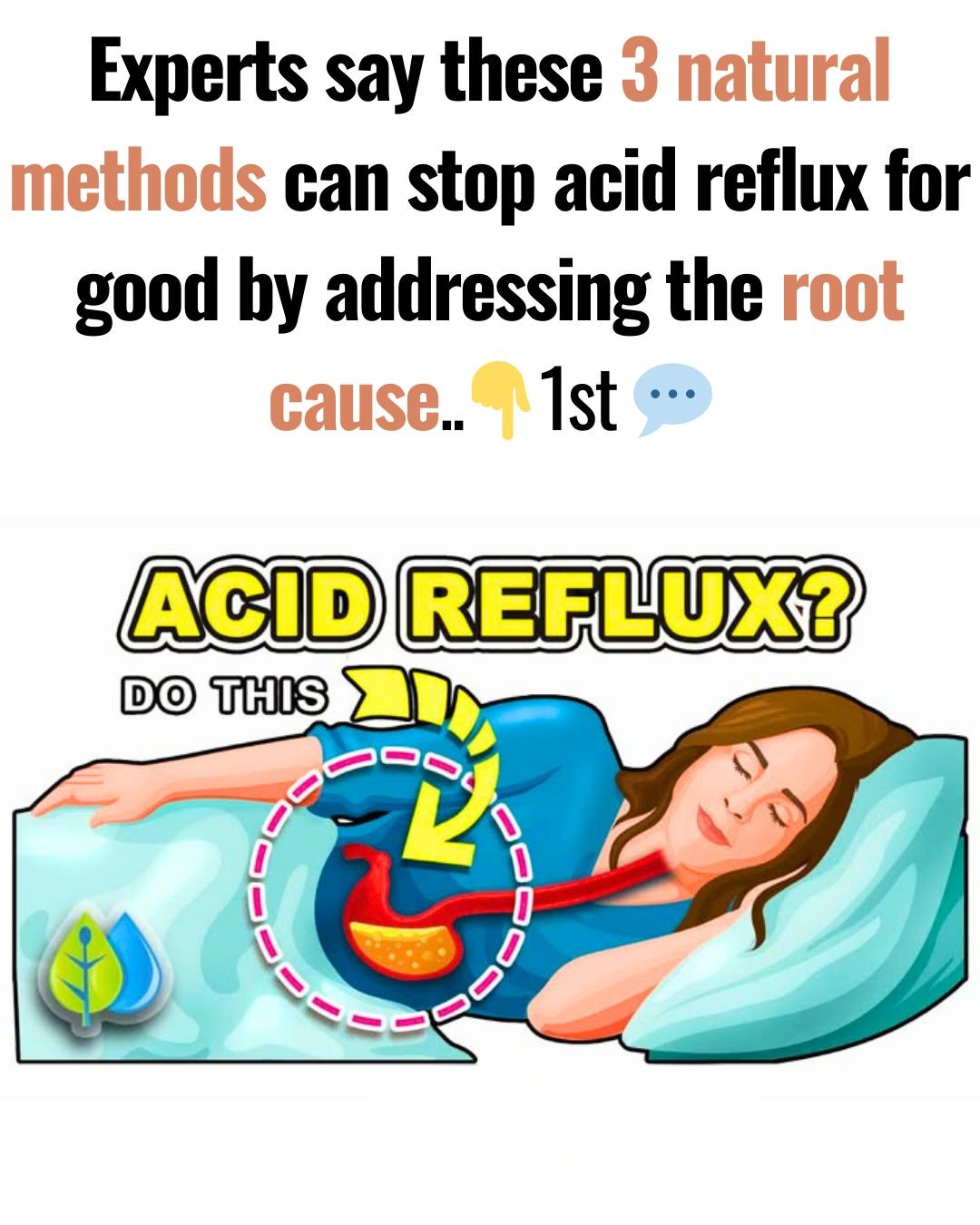
If hypochlorhydria is untreated, and heartburn happens more than twice a week, it can develop into GERD or Gastroesophageal Reflux Disease. This can lead to serious complications, like scarring, ulceration, and cancer of the esophagus.
3 Ways to Stop ACID REFLUX Naturally | How to Stop Acid Reflux & HEARTBURN
GERD is a very common disease.
Researchers estimate that about 20 percent of people in the United States have GERD.
Other than heartburn, acid reflux and GERD may cause symptoms like tasting regurgitated acid, difficulty swallowing, sore throat, dry cough, hiccups, bloating, dark bowels, nausea, vomiting, severe cramping, and pain when lying down.
Advertisement
For decades, the medical establishment has treated people suffering from heartburn and GERD by prescribing antacids or acid blockers.
Although these drugs can alleviate symptoms, they don’t address the underlying cause.
As a result, many people who take acid blockers end up relying on them for the rest of their lives.
This is serious because the side effects of these medications may lead to other problems like osteoporosis, bacterial infections, and damage to both the kidneys and liver.
To stop acid reflux at the root, it’s important to understand why low stomach acid causes acid reflux.
When food enters the stomach, it releases a strong acid called hydrochloric acid, which has a pH of 1.5 to 3.0.
Stomach acid, also called gastric acid, is extremely important for digesting food, particularly proteins and meats.
It helps kill bacteria in the food and produces enzymes needed for digestion such as pepsin.
Gastric acid signals the pyloric sphincter at the bottom of the stomach, to open and empty the mixture of food, hydrochloric acid, and enzymes (called chyme) into the small intestine when it reaches the right pH.
If you have low stomach acid, the chyme will not be broken down properly, and this creates an environment that is friendly to the growth of bacteria. These bacteria eat the carbohydrates fermenting in the stomach. The bacterial overgrowth and poorly-digested food cause excessive pressure in the stomach.

