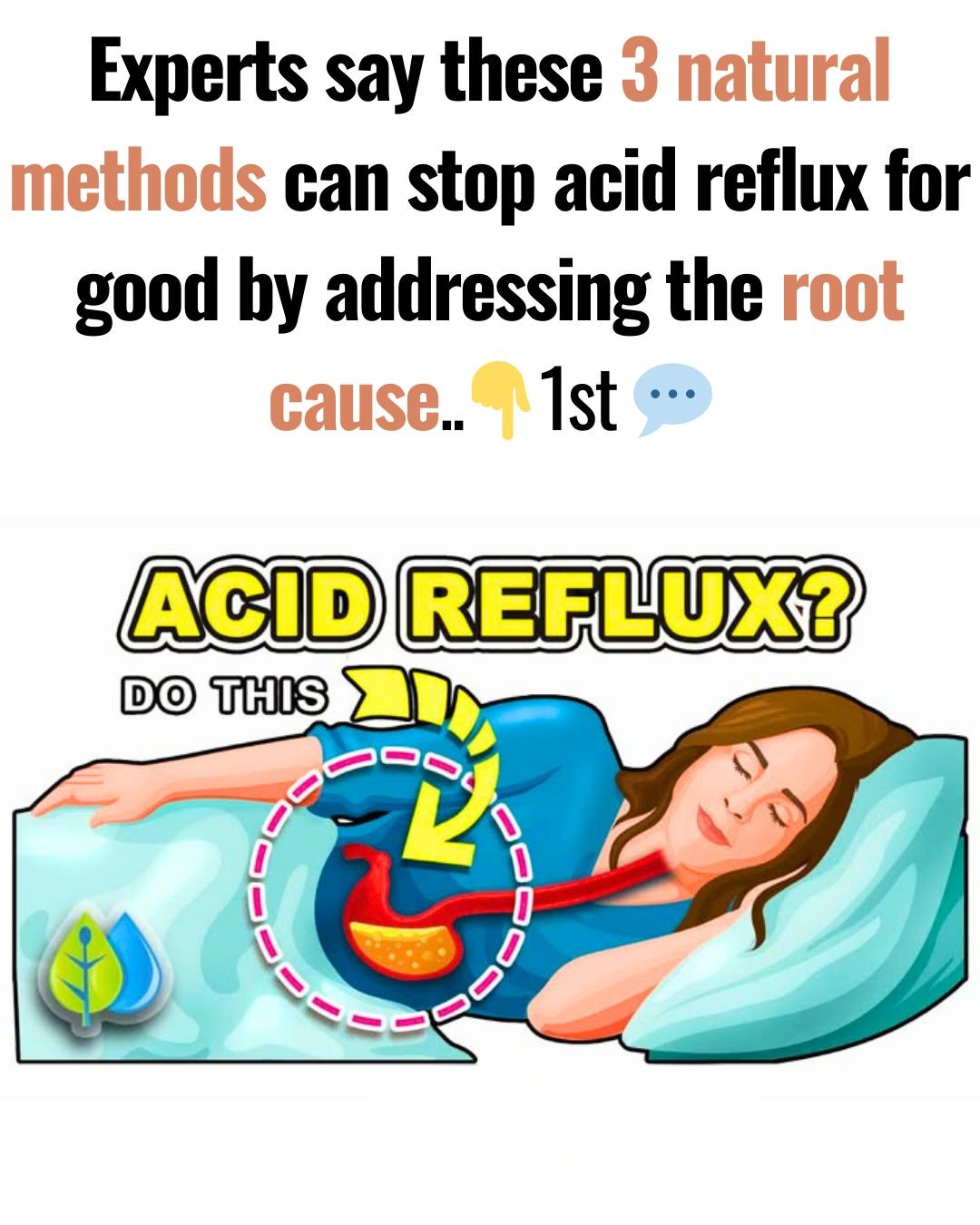
Third, you will want to reduce your stress levels. Stress can cause your stomach muscles to tighten up. Researchers found that people with acid reflux and GERD who were anxious and stressed became more sensitive to smaller amounts of acid in the esophagus, and reported more painful symptoms.
It takes time to fix low stomach acid. If you already suffer from acid reflux, here are FOUR things you can do to reduce inflammation and relieve the pain and discomfort.
First, avoid foods that trigger or aggravate symptoms of acid reflux and GERD.
Cut back on carbohydrates (especially refined carbs) because they can cause bacterial overgrowth, gas, and bloating.
Go gluten-free, because foods that contain gluten are a common cause of heartburn.
Advertisement
Limit your intake of high-fat foods because they contribute to heartburn. Unfortunately, it’s not just fried foods, pizza, potato chips, and fast food. It also includes healthy fats like cheese, nuts, and avocados. High-fat foods stimulate the release of a hormone called cholecystokinin (CCK) which relaxes the LES and triggers heartburn.
Also avoid foods and drinks that trigger acid reflux like peppermint, coffee, carbonated drinks, chocolates, alcohol, citrus fruits, onion, garlic, tomatoes, peppers, and spicy foods.
Next, add these anti-inflammatory foods and drinks to soothe acid reflux and help make stomach acid.
Root, leafy vegetables, and legumes like potatoes, sweet potatoes, turnips, carrots, spinach, broccoli, green peas, lentils, and mushrooms. These are fiber-rich and help digestion.
Non-citrus, low-acid fruits like watermelon, apple, banana, and pear.
High-fiber, whole grains like oatmeal, brown rice, and quinoa.
Fermented foods like kimchi, sauerkraut, and yogurt. These contain probiotics and help increase stomach acid.
Low-fat, lean protein like chicken, fish, seafood, tofu, and egg whites that are baked, broiled, poached, or grilled;
Ginger, chamomile tea, and lots of good, clean water.

